Heating is the bigger HVAC load in Salt Lake City. The airport weather station logs 5,154 heating degree days a year against 1,420 cooling degree days (NOAA, 1991-2020 normals). HVAC Salt Lake City UT is a heating and cooling company for homes. This page puts the HVAC services in one place, from air conditioning installation and repair to heating system installation and maintenance, and from a new heat pump to a yearly tune-up.
Nationally, an AC repair costs $100 to $1,000 and an average furnace repair $100 to $600, while a standard-efficiency HVAC system installed runs $5,000 to $12,500 (This Old House, 2026; Bob Vila, 2023). A tune-up visit takes about 1 to 2 hours when no repairs are needed. Prices in Salt Lake City depend on your home and equipment, so ask for a written price after the technician sees the system.
HVAC Salt Lake City UT calls you back within one business day. The crew comes out and measures, gives you a written price before any work starts, and pulls the City permit when the job needs one.
What do you need help with?
HVAC repair in Salt Lake City when the system stops
HVAC repair starts with a plain description. What is the system doing, how old is it, and when did the trouble start? Give those three answers on the phone and the HVAC technician can look at the likely causes first. The two big repair jobs have their own pages, and the sections after this one cover thermostats, ducts and air quality.
Furnace repair
An average furnace repair costs $100 to $600 across the country (Bob Vila, 2023), and a diagnostic visit costs $75 to $150 nationally (This Old House, 2026). Before you book, check the simple causes first. A furnace that will not start may simply be switched off at its own power switch, which often looks like a light switch near the unit. A gas valve handle that sits crosswise to the pipe is probably closed. A dirty flame sensor shuts the furnace down to keep unburned gas from escaping. A clogged filter can make the furnace run until it overheats and shuts itself off, and on a high-efficiency furnace a condensate line blocked by dirt or ice can trip a safety switch (Bob Vila, national home guides). Read more about furnace repair in Salt Lake City.
AC repair
One central AC repair costs $100 to $1,000 nationally, and the usual fixes run $150 to $650 (This Old House, 2026). If the air is warm, check that the thermostat was not switched to heat or auto by accident. An AC that will not run may have tripped its breaker, and a breaker that trips again needs a technician. A dirty filter can let ice form on the evaporator coil, which then melts into a puddle below the unit (Bob Vila, national home guides). Our page on AC repair lists national prices by part.
Emergency HVAC repair and after-hours calls
When the heat goes out in January and you need emergency heating repair, call or send the form and say what the system is doing. HVAC Salt Lake City UT calls you back within one business day; ask on that call how soon the crew can come out. After-hours call-outs cost more: national labor runs $160 to $250 an hour for emergency calls against $75 to $150 an hour for regular work (Bob Vila, 2023). Salt Lake City has about 112 nights a year at or below freezing (NOAA, 1991-2020 normals), so ask about heating failures before winter.
Two situations are not a repair call first. If you smell gas, leave the home right away, leaving doors and windows open behind you if you can do so without delay, and call the gas utility's 24-hour emergency line once you are safely away. Do not use phones, switches or electronics inside, and do not try to find the leak yourself (Enbridge Gas Utah). Put carbon monoxide alarms on every level of the home and outside sleeping areas (U.S. Consumer Product Safety Commission). Our pages on a carbon monoxide alarm going off and a furnace that smells like gas say what to do next.
Heating and cooling system installation and replacement
Compare a written HVAC installation quote before you decide. Replacement can pull in extra work: the old unit has to come out, and ducts, wiring or a gas line may need changes. Each service below has its own page with national price ranges and the questions to ask.
Furnace installation and replacement
A furnace installed costs $1,600 to $10,000 nationally, with an average of about $4,799 (This Old House, 2026). A natural gas furnace runs $3,800 to $10,000 (This Old House, 2026). Installation takes 4 to 18 hours, and longer when ductwork must be repaired or added (Bob Vila, 2024). Furnaces last 15 to 25 years (This Old House, citing the International Association of Certified Home Inspectors). New non-weatherized gas furnaces must reach 80% AFUE today, and the minimum becomes 95% AFUE for furnaces made on and after December 18, 2028, as the federal rule reads today (U.S. Department of Energy). See furnace installation and replacement.
AC installation and replacement
A central air conditioner installed costs $4,000 to $8,000 nationally (This Old House, 2026). New split-system air conditioners must meet 13.4 SEER2, and Utah follows that national level (U.S. Department of Energy). Most central air conditioners come with a manufacturer's warranty of 5 to 10 years, and terms vary by maker and registration (Bob Vila, 2024). New systems must use a refrigerant with a global warming potential under 700, but an existing R-410A system can still be repaired (U.S. EPA). Details are on the AC installation page.
Heat pumps
A central heat pump costs about $8,042 installed on average, from a national 2026 survey (This Old House). New split-system heat pumps must reach 14.3 SEER2 and 7.5 HSPF2. Salt Lake City averages fewer than 1 night a year below 0 degrees F (NOAA, 1991-2020 normals), and the Department of Energy says cold climates need heat pumps designed to run at lower outdoor temperatures. Cold-climate heat pumps cost more than standard models, so ask for a written price for both before you choose. Rocky Mountain Power changed its Wattsmart Homes incentives in Utah on February 27, 2026, adding new heat pump offerings. Check the utility's current rebate list before you buy, and ask the contractor which model numbers qualify. See heat pump installation.
Ductless mini-splits
A single-zone mini-split averages about $3,250 installed nationally (This Old House, 2026), and the national range across all sizes is $2,000 to $14,500 (Bob Vila, 2024). A mini-split needs one hole through the wall for the line set, about 3 inches across, and most installs take 5 to 10 hours. After a nitrogen pressure test, the installer pulls a vacuum on the lines before releasing refrigerant (This Old House). See ductless mini-split installation.
Heating and air conditioning upkeep, ducts, thermostats and air quality
Four services keep a system in shape between big jobs: maintenance, ducts, thermostats and air quality.
HVAC maintenance and tune-ups
An annual HVAC maintenance visit costs $75 to $200 nationally, and a plan runs $75 to $150 a year for one visit or $150 to $300 for two (This Old House, 2026). Tune up the air conditioner in early spring and the furnace in the fall. A regular maintenance schedule can cut heating and cooling costs by 10% or more (U.S. Department of Energy, national figure), and a warranty claim may need proof that the system had regular maintenance. Change disposable fiberglass filters every 30 days; pleated filters may last 3 months to a year. See HVAC maintenance.
Ductwork and duct cleaning
About 20% to 30% of the air moving through a typical duct system is lost to leaks, holes and poorly connected ducts (U.S. Department of Energy, national figure). Repairing ducts costs $200 to $800 nationally, and replacing them costs $16 to $19 per linear foot (Bob Vila, 2023; This Old House, 2026). Whole-home duct cleaning averages $379 nationally (Bob Vila, 2023), but the EPA says cleaning has never been shown to prevent health problems and does not recommend it as routine. It is warranted for visible mold, vermin or ducts clogged with dust and debris. See ductwork repair and duct cleaning.
Thermostats
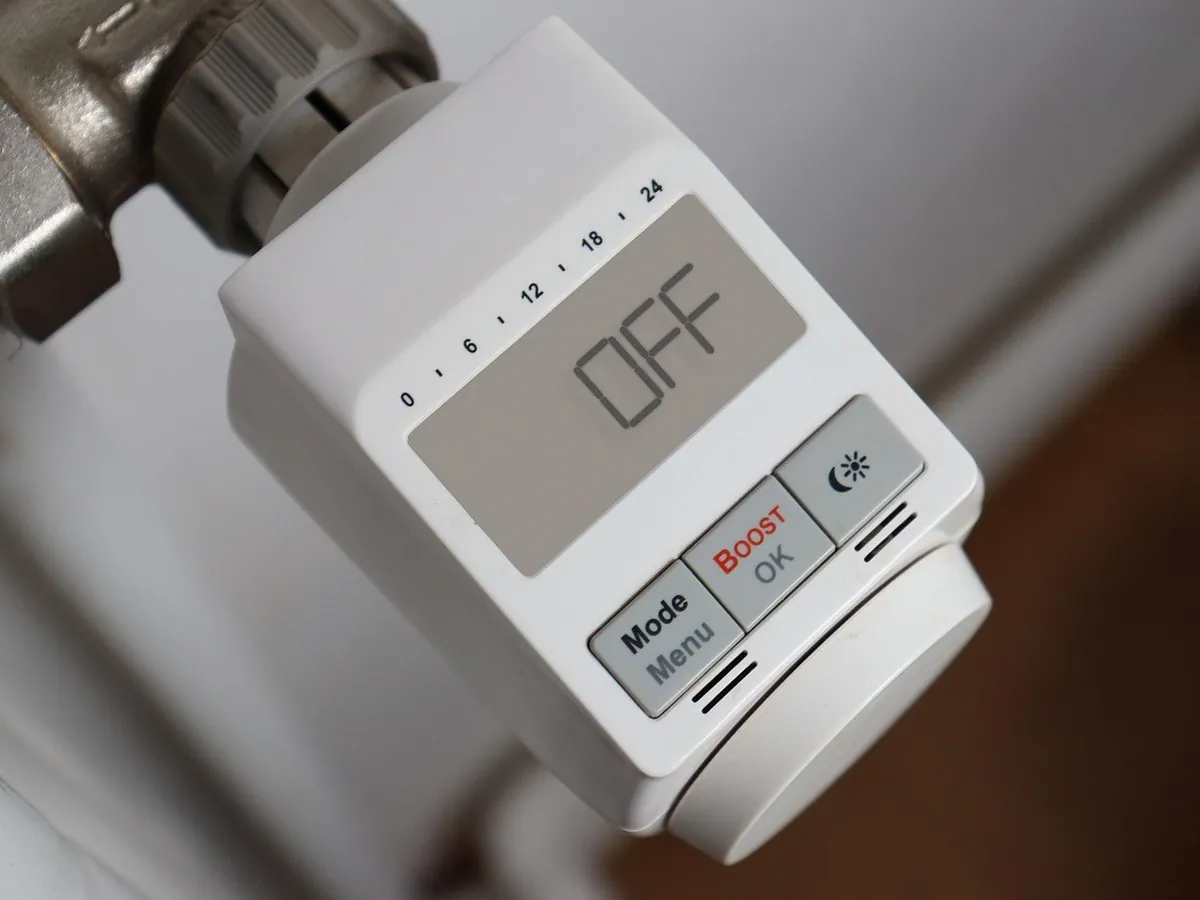
A thermostat replacement runs $100 to $600 nationally (This Old House, 2026). A smart thermostat takes under an hour to install when the wiring is ready, but many need a C wire that older homes may lack. Turning the thermostat back 7 to 10 degrees F for 8 hours a day can save as much as 10% a year on heating and cooling (U.S. Department of Energy, national figure). Heat pumps need a thermostat made for them. See thermostat installation.
Indoor air quality
Salt Lake Valley has strong multi-day winter inversions that trap pollution near the ground, mostly in December, January and early February, and winter fine-particle levels exceed national air quality standards on about 18 days a year on average (NOAA, 2023). The EPA advises a filter rated at least MERV 13, or as high as the system fan and filter slot allow. Keep indoor humidity below 50 percent when you humidify. Avoid air cleaners that make ozone. A whole-house air purifier costs $456 to $4,557 nationally (Bob Vila, 2023). See indoor air quality services.
How a service call with HVAC Salt Lake City UT works
- You call or send the form. The callback comes within one business day. Tell the person the age of the system and what it is doing.
- The crew comes out and measures. That covers homes in Salt Lake City, West Valley City, West Jordan and Murray.
- You get a written price before any work starts. Read it before you say yes. Ask for the permit fee to be listed as its own line on your written quote.
- The City permit is pulled when the job needs one.
A repair can take a few hours or several days, and a part that must be ordered takes longer (Bob Vila, 2023). If a part must be ordered, ask for the expected arrival date in writing with the repair price. Ask the installer to test the system with you before they leave and to explain any wait before full use.
Ready to book? Call (385) 832-6187.
What HVAC work costs in Salt Lake City
An HVAC quote or HVAC estimate should come in writing before any work starts. The table shows national ranges from published cost guides, and each row names its guide.
| Job | National range | Source |
|---|---|---|
| Diagnostic visit | $75 to $150 | This Old House, 2026 |
| AC repair | $100 to $1,000 (usual fixes $150 to $650) | This Old House, 2026 |
| Furnace repair, average | $100 to $600 | Bob Vila, 2023 |
| Annual maintenance visit | $75 to $200 | This Old House, 2026 |
| Central AC installed | $4,000 to $8,000 | This Old House, 2026 |
| Furnace installed | $1,600 to $10,000 (average about $4,799) | This Old House, 2026 |
| Standard-efficiency HVAC system installed | $5,000 to $12,500 | This Old House, 2026 |
| Heat pump installed | About $8,042 on average | This Old House, 2026 |
| Ductless mini-split, single zone | About $3,250 on average | This Old House, 2026 |
What moves the price
Labor runs $75 to $150 an hour nationally (Bob Vila, 2023). Size and equipment type set the base: a furnace for a 1,500-square-foot home runs $1,800 to $3,000, and a 3.5-ton heat pump unit for a 2,500-square-foot home runs $3,900 to $6,400 before installation (Bob Vila, 2024). Ductwork adds $1,100 to $2,700 with an AC installation and $2,000 to $5,000 with a furnace. A gas line costs $500 to $2,000 to add (Bob Vila), and an upgrade to a 200-amp electrical panel $1,300 to $3,000 when new equipment needs more capacity (This Old House). Removing the old unit adds $25 to $200 for an AC and $60 to $330 for a furnace (Bob Vila, 2024). If the system is under warranty, replacement parts may cost nothing and you pay only for labor (This Old House, 2026).
Repair or replace
Replace rather than repair when the AC is over 10 years old and the repair cost times its age is more than $5,000, or when a repair costs more than half the price of the unit (This Old House, 2026). ENERGY STAR says to consider replacing a furnace or boiler more than 15 years old and a heat pump or air conditioner more than 10 years old. Correctly installed high-efficiency equipment can save up to 20 percent on heating and cooling costs. For an HVAC unit replacement, set the HVAC system replacement cost in the table against the written repair price. Our page on whether to repair or replace an old system goes through the signs. For the full list of prices, read the HVAC cost guide for Salt Lake City.
HVAC financing
If you borrow for a new system, shop around and compare loan terms. Never agree to financing through your contractor without comparing it first (Federal Trade Commission). Extended AC warranties cost $100 to $500 nationally and often cost more than standard repairs (Bob Vila, 2024).
Local climate and your system in Salt Lake City
The January normal low is 24.2 degrees F and the July normal high is 94.0 degrees F, with about 62 days a year at 90 degrees F or hotter and about 7.6 at 100 degrees F or hotter (NOAA, 1991-2020 normals). The city gets 51.9 inches of snow a year and only 0.49 inches of precipitation in an average July, the driest month. Salt Lake City Building Services lists Climate Zone 5B, an 8 degrees F winter design temperature and a 30-inch frost depth.
December and January are the peak heating months, and July and August the peak cooling months. April and October are the mildest, with almost no cooling load. A few local points follow from the numbers. With that much snow, set a heat pump on a snow stand a foot or more off the ground and clear snow off the top after storms (This Old House). The NOAA station sits about 4,226 feet above sea level, and other parts of the city sit higher, so ask the installer to confirm the furnace is set up for our elevation as its manual requires. Ask the crew to show the load calculation that sized your air conditioner.
Common HVAC problems and what they mean
Most calls start with a symptom, and each symptom has its own page. A furnace that will not turn on may be switched off at the unit. A furnace blowing cold air may have its thermostat fan set to ON, which keeps the blower running between heating cycles. On the cooling side, an AC blowing warm air may be on the wrong thermostat mode, and a frozen AC coil can follow a dirty filter. Weak airflow at the registers can come from disconnected or crushed ductwork (U.S. Department of Energy). The pages explain what to check and when to call.
Choosing an HVAC contractor in Salt Lake City
Use these checks on any local HVAC company, residential HVAC contractor or heating and cooling contractor you compare, whether the job is one repair or heating and cooling services across the whole house.
How to choose an HVAC contractor
Utah law requires anyone working as a contractor in a licensed construction trade, HVAC included, to hold a state license before doing the work, and HVAC contractor is its own license classification. Ask for the contractor's Utah licence number and look it up on the state licensing site before you sign. Ask the contractor for a current certificate of insurance and check the license status on dopl.utah.gov before work starts. In Utah an unlicensed contractor working on your property could make you liable if any of its workers or subcontractors are injured (Utah Division of Professional Licensing).
Get bids from 2 to 3 contractors and check at least 3 references for each. For a replacement, the estimate should list all related work such as ducts, registers and wiring (Better Business Bureau). Ask each contractor to explain how it worked out the heating and cooling capacity it recommends. Put the job in a written contract with the exact work, the price, start and finish dates, who gets the permit, and your right to cancel, with no blank spaces. Keep the deposit small, pay as the work is completed, and never pay in cash. Work with a company whose technicians are EPA-certified to handle refrigerants (U.S. EPA).
Warning signs: someone knocking because they are in the area, pressure for an immediate decision, a request that you get the permits yourself, or a utility impostor demanding payment by gift card (Federal Trade Commission). Read the full list in how to choose an HVAC contractor.
Licensing, permits and inspections in Salt Lake City
A permit is required to install or alter a home's mechanical (heating, ventilation and air conditioning), electrical or plumbing system in Salt Lake City (Salt Lake City Building Services). The owner of an owner-occupied primary home may get the permit, and for a rental or commercial property a contractor must get the permits and do the work. Whoever got the permit is responsible for scheduling the inspections, and inspections are requested before any work is covered. All permit applications go through the city's Citizen Access Portal, and the office page is Salt Lake City Building Services.
Fees are based on the value of the project, counting all material and reasonable labor. Work found without a permit gets a Stop Work (red tag) notice and can be charged a double fee. Utah adopted the 2024 International Mechanical Code, the 2021 International Residential Code, the 2024 International Fuel Gas Code and the 2023 National Electrical Code statewide, effective July 1, 2026 (Utah State Legislature). Gas appliance work on a furnace must be done by a person certified under Utah law, even on small jobs. Technicians who service equipment that could release refrigerants must hold EPA Section 608 certification, and venting refrigerant is forbidden. The Salt Lake City HVAC permit and rules guide has more.
Areas we serve
- Salt Lake City
- West Valley City
- West Jordan
- Murray
- Sandy
- South Jordan
- Millcreek
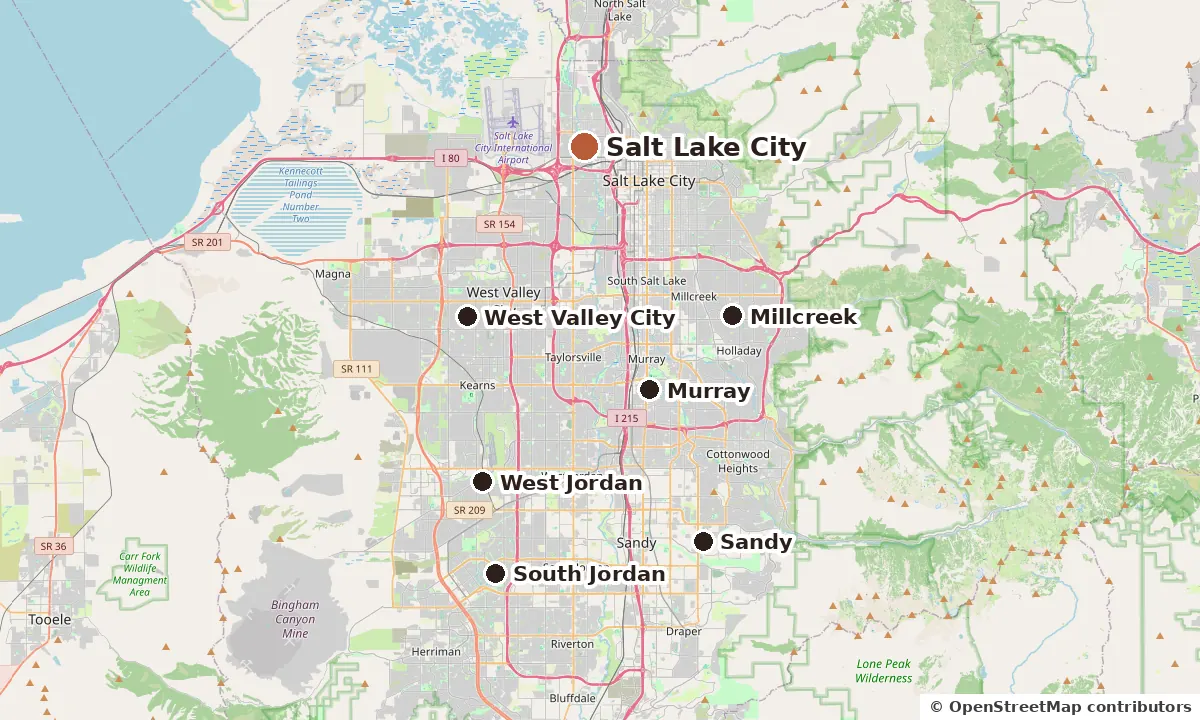
HVAC Salt Lake City UT serves Salt Lake City, a city of 217,783 people over 110.891 square miles of land (U.S. Census Bureau, July 1, 2024 estimate), and three nearby towns that have their own pages.
- HVAC in West Valley City: 138,144 people over 35.827 square miles of land, about 7.4 miles away. West Valley City requires permits and inspections to install, replace or repair a furnace, air conditioner or heat pump in a single-family home, and permits are bought from the West Valley City Building Inspection Division.
- HVAC in West Jordan: 116,688 people over 32.586 square miles of land, about 12.6 miles away. Permits are applied for on the West Jordan Public Portal, and the first review of a residential permit takes up to 10 business days. The West Jordan Permit Center is generally open 8 a.m. to 5 p.m., Monday to Friday, closed on holidays.
- HVAC in Murray: 50,817 people over 12.296 square miles of land, about 9.0 miles away. Murray City's Building Division takes new permit applications online, and the permit holder schedules inspections online.
Each town's page covers that town's permit office in more detail.
What is it doing? Find the likely problem
Furnace Smells Like Gas
Furnace smells like gas in Salt Lake City? Leave the home, call for help from outside, then book furnace repair. Steps, warning signs and national price ranges.
Carbon Monoxide Alarm Going Off
Carbon monoxide alarm going off in Salt Lake City? Get outside and call 911, then learn which furnace faults can cause a leak and what a repair costs.
Furnace Not Turning On
Furnace not turning on in Salt Lake City, UT? Check the thermostat, power switch and filter, know when to call, and see national furnace repair cost ranges.
Furnace Blowing Cold Air
Furnace blowing cold air in Salt Lake City? Check the fan setting and filter, know the gas safety steps and see what a furnace repair costs nationally.
AC Blowing Warm Air
AC blowing warm air in Salt Lake City, UT? Check the thermostat, breaker and filter first, then see what a technician looks at and national repair cost ranges.
AC Not Turning On
AC not turning on in Salt Lake City? See what to check first, what to leave alone and what repairs cost nationally, then call for a written price.
Burning Smell From Vents
Burning smell from vents in Salt Lake City? Learn which smells are harmless, which mean stop and cut the breaker, and what a furnace or AC repair costs.
Heat Pump Stuck on Emergency Heat
Heat pump stuck on emergency heat or blowing cold air in heat mode in Salt Lake City? See what can cause it, what is safe to check and what a repair costs.
Furnace Short Cycling
Furnace short cycling in Salt Lake City? See the safe checks, gas and CO steps, shutdown causes and national repair costs before you book a visit.
Furnace Making Noise
Furnace making noise in Salt Lake City? What a bang, squeal or hum usually means, safe checks, Utah gas rules, national repair costs and when to call.
Furnace Flame Yellow Instead of Blue
A yellow pilot light or furnace flame is a warning sign. See what to check, when to call, what a visit costs and how permits work in Salt Lake City.
AC Frozen Coil
AC frozen coil in Salt Lake City? See what freezes the coil, what to check, national repair costs and how to get a written price before work starts.
AC Leaking Water
AC leaking water in Salt Lake City, UT? See the common causes, what to check, national repair cost ranges and what to ask before you hire a crew.
AC Refrigerant Leak
AC refrigerant leak in Salt Lake City? See why a refill is not the fix, what to check, national repair and recharge costs and the written price before work.
AC Short Cycling
AC short cycling in Salt Lake City: why an air conditioner turns on and off every few minutes, what to check, and national repair price ranges.
Weak Airflow From Vents
Weak airflow from vents in Salt Lake City: the causes, what is safe to check, national repair prices and questions to ask before you approve a repair.
Heat Pump Frozen
Heat pump frozen in Salt Lake City? Learn when frost, steam and defrost mode are normal, when ice means a repair, national costs and how to get a written price.
Mini Split Not Working
Mini split not working in Salt Lake City? Check the filter, outdoor unit and remote, then see national repair costs and what to ask before a visit.
Thermostat Blank Screen or Not Responding
Thermostat blank screen or not responding in Salt Lake City? See what to check first, what to leave alone and what repair costs nationally, then call.
Musty Smell From Vents
Musty smell from vents in Salt Lake City, UT? See where mold and moisture start in a duct system, what EPA says, what to check and national cost ranges.
One Room Colder Than Others
One room colder than others in Salt Lake City? See the causes the national guides name, what to check first, duct repair costs and how to get a written price.
High Energy Bills From Your HVAC
High energy bills HVAC causes in Salt Lake City: clogged filters, leaky ducts, backup heat, low refrigerant and age. What to check and what a visit costs.
Dust Coming From Vents
Dust coming from vents in Salt Lake City? See when EPA says duct cleaning is warranted, what to check first, national costs and how to get a written price.
Dry Air in Your House in Winter
Dry air in your house in winter in Salt Lake City, UT? Read the humidity, check your humidifier, see national cost ranges and what to ask a crew.
Repair or Replace Furnace
Repair or replace a furnace or AC in Salt Lake City? Age rules, national repair and replacement price ranges, and what to ask before you decide.
R22 AC Repair
R22 AC repair in Salt Lake City: what EPA says about old R-22 systems, national repair and replacement costs, and what to get in writing before work starts.
Leaky Ducts
Leaky ducts in Salt Lake City? See what a disconnected or crushed duct means, national duct repair costs, permit rules and how to get a written price first.
For typical prices and what moves them, see HVAC Cost.
More guides: all services, the areas we serve and common questions.
What is your heating or cooling system doing?
Pick what you see, smell or notice to read what government and equipment maker pages say it can mean and what to do first.
- I smell gas in or near the house
- If the smell is strong or you are not sure, leave the building right away, tell others to leave, and then call your gas company or 911 from a phone away from the smell, such as a neighbor's. Do not flip light switches, use a phone near the smell, adjust the thermostat or appliance controls, or light matches or candles. Do not go back inside until your gas company says it is safe. (Connecticut Public Utilities Regulatory Authority)
- A carbon monoxide alarm is going off, or people feel sick and better once outside
- Get outside to fresh air right away, and then call 911. Symptoms of carbon monoxide poisoning include headache, dizziness, weakness, nausea, vomiting, sleepiness and confusion, and the EPA says they can feel like the flu and clear up after leaving home. The EPA says to have a trained professional inspect, clean and tune up the central heating system (furnaces, flues and chimneys) every year. (U.S. Consumer Product Safety Commission, U.S. Environmental Protection Agency)
- The furnace will not turn on and the house has no heat
- One equipment maker's guide lists basic checks: the thermostat is set to heat and above the room temperature, the breaker marked furnace or heat is on, the furnace power switch is on, and the air filter is not clogged. More technical causes it names are a faulty ignition system, a dirty flame sensor, blocked air vents or a tripped limit switch. If the basic checks do not fix it, it says a professional HVAC contractor should inspect the system. If you smell gas, follow the gas answer instead. (Carrier) Read more
- The furnace keeps turning on and off before the house warms up
- This is called short cycling. One equipment maker's guide says restricted airflow from a dirty filter can make the heat exchanger overheat and trigger a safety shutoff. Check the filter first. If the furnace keeps short cycling, the guide says to contact a qualified HVAC professional. (Carrier) Read more
- The air conditioner runs but blows warm air
- One equipment maker's guide says to set the thermostat to Cool with the fan on Auto, replace a clogged filter, and confirm the breaker has not tripped and the outdoor unit's power switch is on. It recommends turning the AC off if it keeps blowing warm air. Causes it names include a refrigerant leak, faulty contactors or capacitors, a failing blower motor and a failed or overheated compressor. If the checks do not fix it, it says to contact a professional HVAC technician. (Carrier) Read more
- There is ice on the AC coil or the copper lines
- One equipment maker's guide says to turn the AC off right away so the ice can thaw, and to check the air filter and replace it if dirty. It names restricted airflow from dirty filters or blocked vents, and a refrigerant leak or low refrigerant, as causes. If the system freezes again after restarting, it says to contact a technician. (Carrier) Read more
- Water is pooling around the indoor unit or furnace while the AC runs
- ENERGY STAR's maintenance checklist says to check the condensate drain in a central air conditioner, furnace or heat pump in cooling mode, because a plugged drain can cause water damage in the house and affect indoor humidity levels. The same checklist has a contractor do a check-up every year, the cooling system in spring and the heating system in fall. (ENERGY STAR (U.S. EPA)) Read more
- The outdoor heat pump unit is steaming or covered in frost in winter
- A heat pump melts frost off its outdoor unit with defrost cycles. One heat pump maker says a cloud of steam from the outdoor unit is the ice melting and evaporating, and is normal. The same maker says to have it looked at if the heat pump seems to switch into defrost constantly, or if the defrost cycles last longer and longer while frost and ice start to cover the unit. (Trane) Read more
- Dust blows out of the vents, or there seems to be mold or pests in the ducts
- The EPA says duct cleaning has never been shown to actually prevent health problems. It lists when to consider cleaning: substantial visible mold growth inside hard-surface ducts, ducts infested with rodents or insects, or ducts clogged with excessive dust and debris, or releasing particles into the home. It adds that something that looks like mold may need laboratory analysis to confirm. (U.S. Environmental Protection Agency) Read more
The gas and carbon monoxide answers follow the wording of the U.S. Consumer Product Safety Commission, the U.S. EPA and Connecticut's utility regulator; follow your own gas company's instructions. The other answers list first checks and likely causes from two equipment makers' homeowner guides, ENERGY STAR and the EPA; they are not a diagnosis.
Sources: U.S. Consumer Product Safety Commission, U.S. Environmental Protection Agency, Connecticut Public Utilities Regulatory Authority, Carrier, Carrier, Carrier, Carrier, ENERGY STAR (U.S. EPA), Trane, U.S. Environmental Protection Agency.
FAQ: HVAC questions in Salt Lake City
How much does HVAC repair cost?
Nationally, an AC repair costs $100 to $1,000 and an average furnace repair $100 to $600 (This Old House, 2026; Bob Vila, 2023). Prices in Salt Lake City depend on your home and equipment, so ask for a written price after the technician sees the system.
How do I get an HVAC quote?
Call or send the form, and the callback comes within one business day. The crew comes out and measures, and you get a written price before any work starts. For repairs, get more than one written estimate (Better Business Bureau).
Do I need a permit to replace my furnace or AC?
Salt Lake City requires a permit to install or alter a home's mechanical system. HVAC Salt Lake City UT pulls the City permit when the job needs one.
When should I book a tune-up in Salt Lake City?
Tune up the air conditioner in early spring and the furnace in the fall (This Old House). April and October are the mildest months in Salt Lake City, with almost no cooling load (NOAA, 1991-2020 normals).
Do you serve towns outside Salt Lake City?
Yes. HVAC Salt Lake City UT also serves West Valley City, West Jordan and Murray, and each town's page covers its permit office.
How do I choose the right HVAC contractor?
Check the Utah license number, ask for a certificate of insurance, compare 2 to 3 written bids and put every detail in a written contract. The section above lists the full steps.